★★★★★Google 5.0 · 550+ Reviews
 CCPIA Certified
 CMI Certified Master Inspector
InterNACHI Certified Inspector
CCPIA CertifiedCMI Certified Master Inspector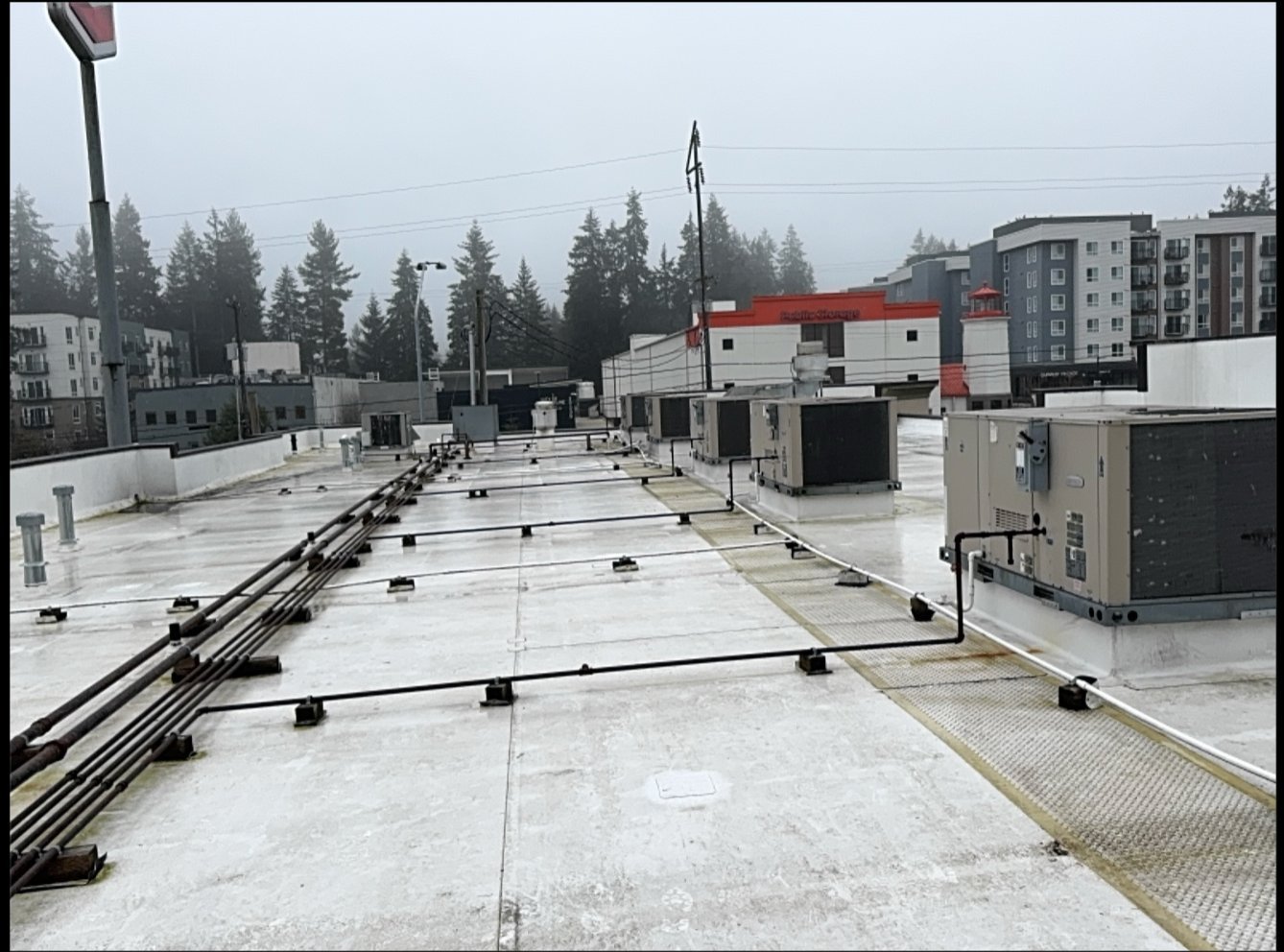
Optimized CPI delivers CCPIA-certified inspections for the full spectrum of commercial property types across Kitsap County, Greater Seattle, and all of Western Washington. When the investment is significant, the inspection needs to be thorough.
The difference between a residential inspection and a true commercial property inspection isn't simply a matter of scale — it's a matter of scope, systems, code requirements, and risk exposure. A 6,000-square-foot retail strip in Silverdale operates under fundamentally different building standards than a 2,400-square-foot home in Bremerton. The mechanical systems are larger, the roof drainage more complex, the electrical service capacity more consequential, and the deferred maintenance — when it exists — exponentially more expensive to remediate.
Bryan D. Mize holds the CCPIA (Certified Commercial Property Inspectors Association) designation — one of the most rigorous commercial inspection credentials available. Combined with his CMI (Certified Master Inspector) status and over 15 years of field experience across more than 5,000 inspections, Bryan brings a level of commercial inspection expertise that is rare in Western Washington.
Every Optimized CPI inspection is performed by Bryan personally — not a subcontractor, not a trainee. You get one inspector who shows up prepared and delivers a report you can use in negotiations, due diligence, or long-term capital planning.
We regularly perform inspections in Bremerton, Silverdale, Poulsbo, Port Orchard, Seattle, Bellevue, and throughout the greater Puget Sound region.
We perform commercial property inspections across Kitsap County, including Bremerton, as well as the greater Seattle area.
Regardless of property type, every Optimized CPI inspection evaluates the following building systems and components — adapted to the specific construction and use of each property.
Foundation, framing, load-bearing walls, columns, beams, floor systems, and visible structural observations (engineering analysis is excluded from standard scope).
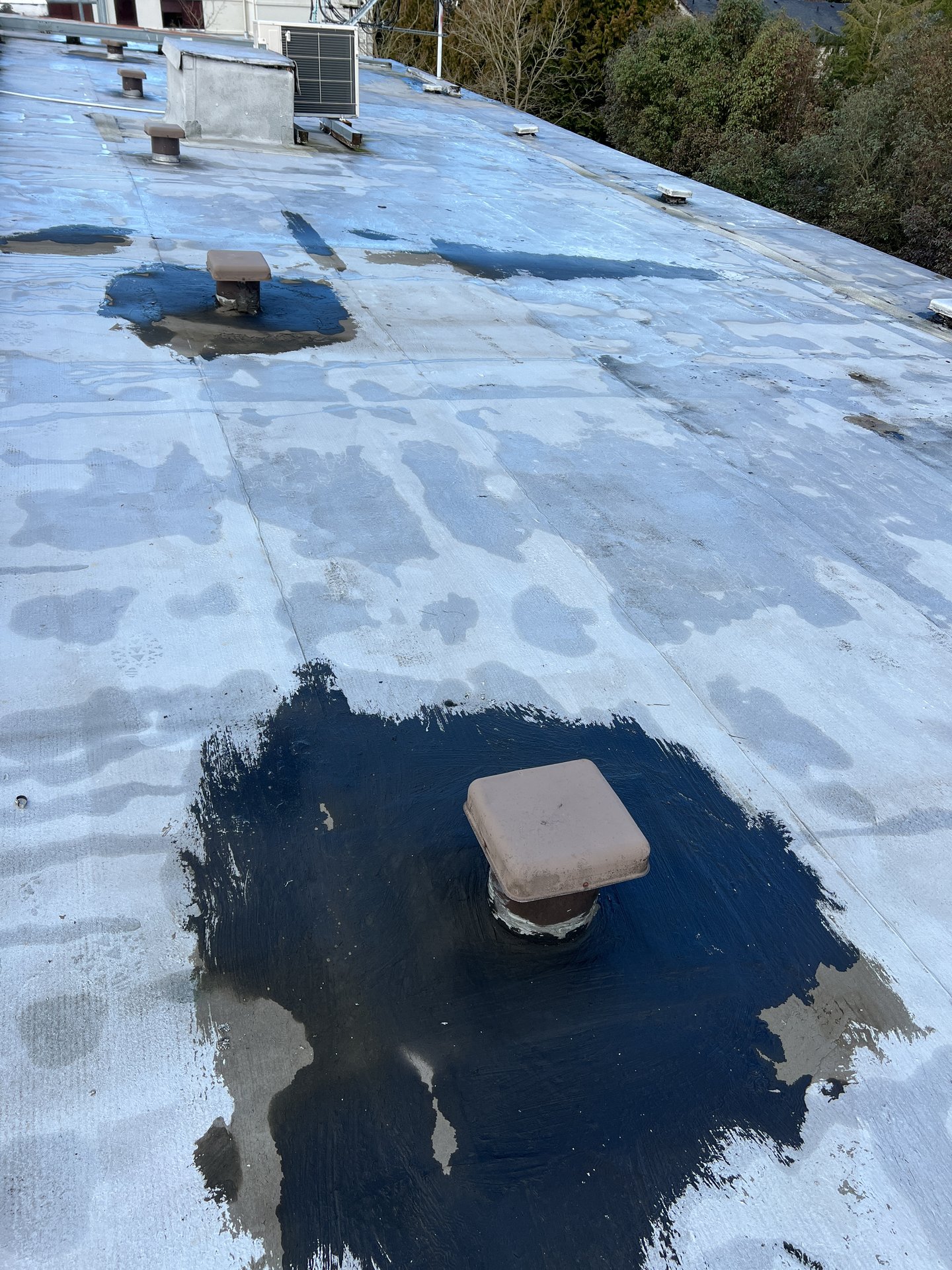
Membrane condition, flashing, penetrations, drainage patterns, ponding, coping, and parapet walls.
Service capacity, panels, distribution, wiring methods, grounding, GFCI protection, and visible code concerns.
Rooftop units, split systems, controls, ductwork, exhaust systems, age, condition, and estimated remaining life.
Supply lines, drain-waste-vent piping, water heating, fixtures, shut-off valves, and visible leak indicators. Sewer scope inspection available as a contracted add-on service.
Parking lots, drainage, accessibility observations, lighting, signage supports, landscaping drainage, and exterior cladding.
Visible fire suppression and alarm system components, exit signage, egress paths, fire door condition, and extinguisher placement — observed and documented for further evaluation by qualified specialists.
Exterior cladding, windows, doors, sealants, caulking, evidence of past water intrusion, and building envelope performance.
Retail properties present a distinct inspection challenge. The tenant mix, lease obligations, and deferred maintenance history of a strip mall or shopping center often tell a very different story than the listing description. Bryan evaluates retail properties with an eye toward what's been maintained, what's been ignored, and what will require capital expenditure within the next 3–7 years.
Key areas of focus for retail inspection include rooftop HVAC unit condition and remaining service life, roof membrane integrity over tenant spaces, parking lot pavement condition and drainage, electrical panel capacity relative to current and future tenant load demands, plumbing supply and waste condition in tenant improvement areas, and evidence of prior water intrusion at entry points, awnings, and storefront glazing.
Retail centers with anchor tenants require attention to shared mechanical systems, common area maintenance obligations, and utility metering configurations — all of which affect investment value and operating cost projections.
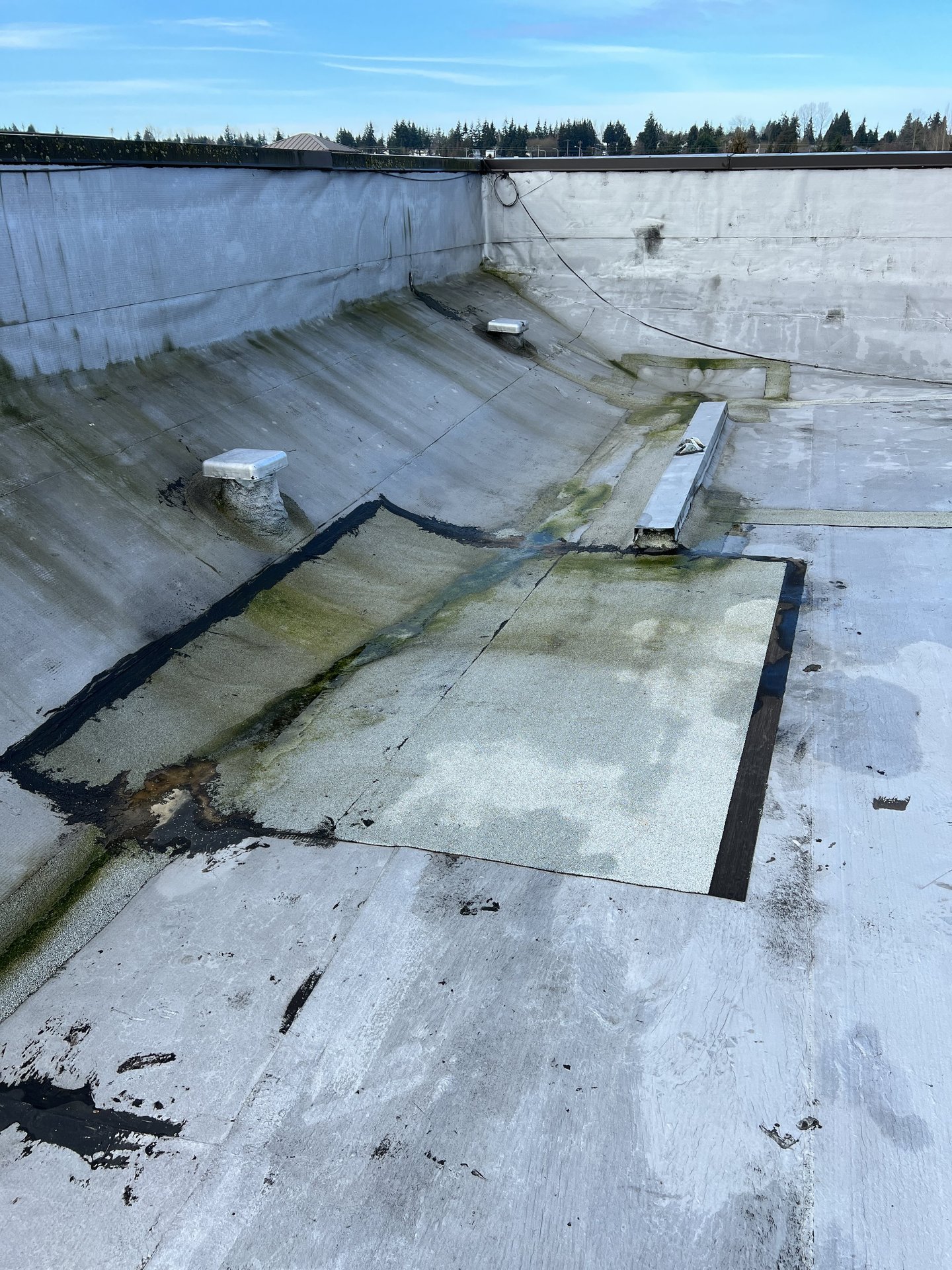
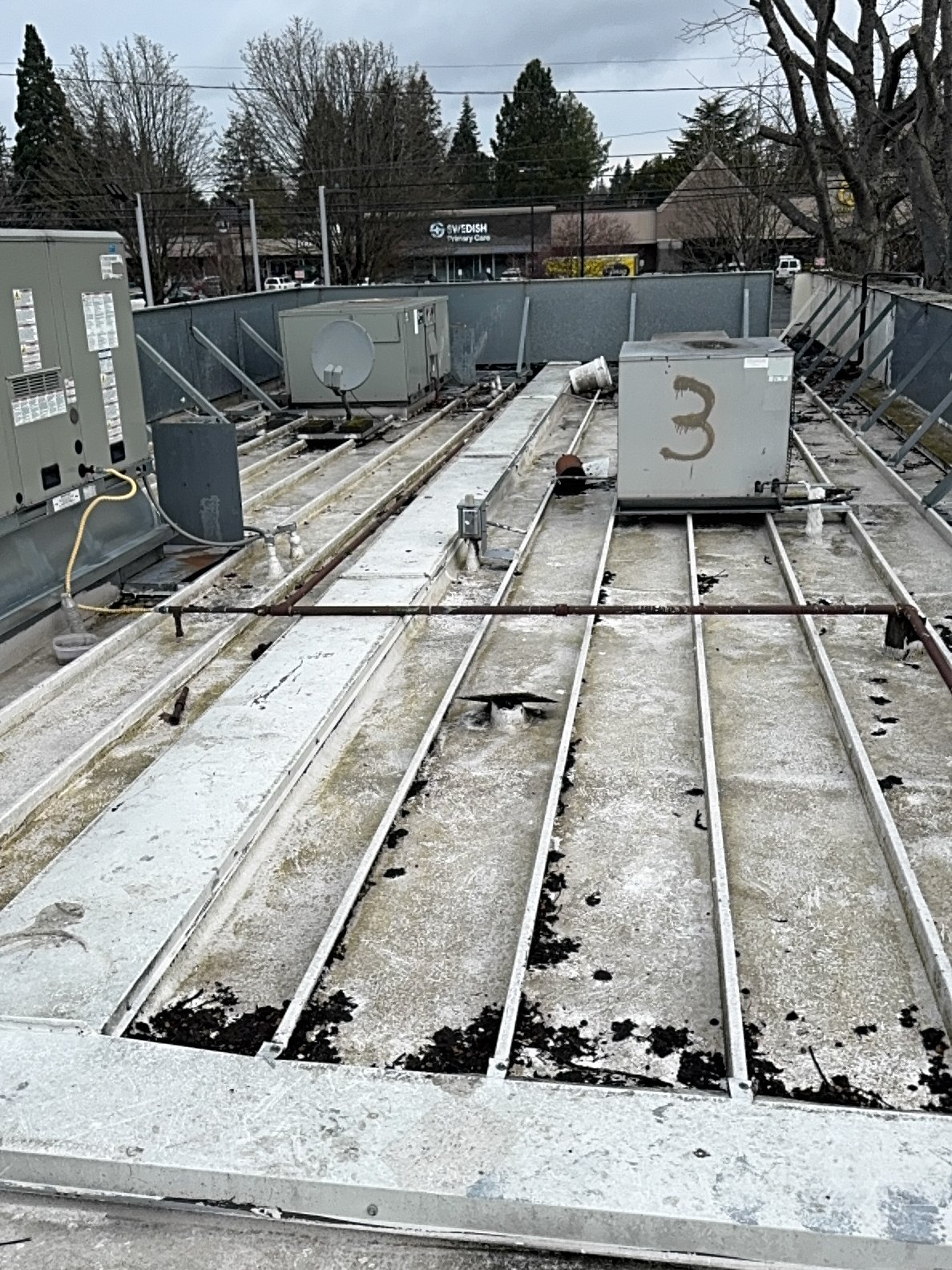
During a 2023 inspection of a six-unit retail strip on Silverdale Way, Optimized CPI identified two rooftop HVAC units with failed condensate drainage routing water directly onto the TPO membrane. The pooling had accelerated membrane degradation over approximately 800 square feet. Additionally, the electrical panel serving the eastern three units was undersized for the tenant mix being marketed to prospective buyers. The inspection findings became the basis for the buyer's renegotiation of the purchase price.
Office buildings in Western Washington run the gamut from 1970s-era Class C brick buildings in Bremerton's downtown to recently constructed Class A professional office parks near the Silverdale commercial corridor. The age, construction method, and original use of an office building determine where the inspection effort is most concentrated.
Older office buildings frequently present deferred exterior envelope maintenance — failed caulking at window assemblies, deteriorated curtain wall gaskets, and compromised flashing at rooftop mechanical penetrations. These are not cosmetic concerns. Water that enters through a failed sealant at the 4th floor parapet will find the path of least resistance through insulation, wall cavities, and ceiling assemblies before it becomes visible inside the building.
Medical office buildings carry additional inspection considerations, including higher plumbing fixture counts, specialized HVAC requirements for patient areas, backup power provisions, and accessibility observations in restroom and patient corridor configurations.
A three-story office building in downtown Bremerton purchased for medical office conversion revealed a critical finding during inspection: the existing electrical service was a 400-amp three-phase system — sufficient for general office use, but inadequate for the imaging equipment and patient care infrastructure the buyer intended to install. The cost to upgrade to 800-amp service, including utility coordination, was substantial enough to fundamentally change the project economics.
See the real thing — view a full sample report from a 15,000+ sq ft medical office inspection →
Multi-family inspection is where experience with volume and variety pays the largest dividend. A 24-unit apartment complex in Port Orchard has 24 individual units, 24 sets of plumbing fixtures, 24 HVAC systems (or a shared central plant), and building common systems that serve all of them. The inspection scope is correspondingly larger — and the deferred maintenance, when it exists, is multiplied across every unit.
Bryan inspects multi-family properties using a sampling methodology for individual units — typically 20–25% of units for buildings over 50 units, with higher percentages for buildings with fewer units. Bryan also recommends that you don't let the property manager pick which units get inspected. Common area systems including boilers, domestic hot water heaters, electrical distribution panels, laundry facilities, and exterior walkway and stairway structures receive full inspection coverage. Elevators are documented for current maintenance records and general condition only — full elevator inspection is a licensed-specialty discipline and is excluded from the standard scope. Properties of 4 units or fewer fall under residential inspection scope and are not part of CCPIA commercial standards.
Siding, windows, balconies, stairways, decks, and exterior walkways — the systems most exposed to Western Washington's persistent moisture loading.
Boilers, heat exchangers, domestic hot water systems, common area HVAC, and ventilation equipment serving multiple units.
Main supply lines, distribution manifolds, drain-waste-vent stacks, and evidence of chronic moisture damage in unit bathrooms and kitchens.
An 18-unit complex built in 1972 near downtown Bremerton was listed in good condition. During the multi-family inspection, Bryan identified deteriorated wood siding on the building's north elevation with chronic moisture absorption issues. Seven of the sampled units showed evidence of water intrusion at window sills. The electrical panels in four units were Federal Pacific Stab-Lok units, flagged for insurance and safety concerns. The buyer used the inspection report to negotiate a substantial price reduction and a seller credit for panel replacement.
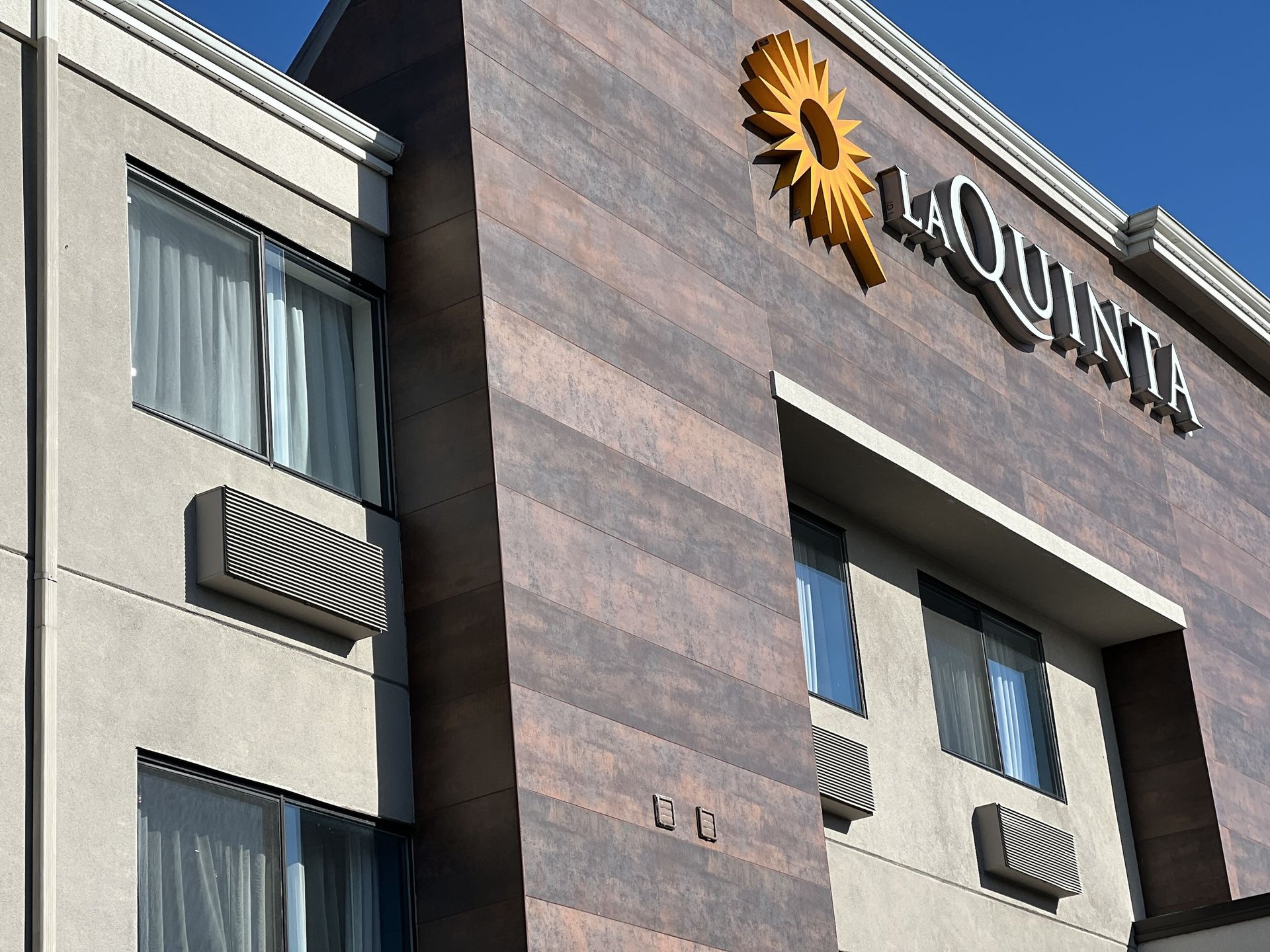
Hospitality properties present one of the most complex inspection challenges in commercial real estate. A 60-room limited-service hotel has 60 individual bathrooms, 60 HVAC units (typically PTACs), 60 sets of plumbing fixtures, and building infrastructure — electrical, plumbing, fire suppression, and data — that must serve every room simultaneously under full occupancy load.
PTAC (packaged terminal air conditioner) units in guest rooms deserve particular attention. These units run continuously, are often poorly maintained, and accumulate significant moisture internally — creating mold risk within wall cavities when drainage is impaired. Bryan documents PTAC unit basic functionality on a representative sample and looks for moisture issues created by the units. Internal coil inspection is out of scope and would require a specialty HVAC technician.
Hotel properties also include observation of the overall condition of high-traffic common areas — lobbies, corridors, and stairwells — and observation of commercial laundry equipment condition where present. Specialty equipment requiring licensed-profession inspection (elevators, commercial kitchen hoods/grease traps, pool/spa mechanical) is documented for presence and current maintenance records only, and is excluded from the standard scope unless a specialist is brought in during the inspection.
A 38-room motel acquired by an investment group underwent a full Optimized CPI inspection prior to closing. Bryan identified 14 PTAC units with failed drain pan float switches, allowing condensate to discharge into wall cavities. Mold was confirmed in three accessible wall cavities. The pool mechanical room contained equipment 17 years past expected service life. The rooftop had a failed overlay coating on an existing tar-and-gravel base. The combined capital expenditure projection from the inspection report became the foundation of the buyer's renovation budget and lender presentation.
See the real thing — view a full sample report from a 73-room hotel walkthrough →
Industrial and warehouse properties are defined by their utility — and so is their inspection. The structural systems are typically larger and more consequential, the electrical service demands are higher, and the operational history of the building matters more than almost any other property type. Prior industrial use can leave environmental concerns, floor slab damage from heavy equipment, and mechanical infrastructure that was never designed for long-term maintenance.
In Kitsap County and along the Puget Sound corridor, industrial properties range from small light-manufacturing flex buildings in Port Orchard and Bremerton to larger warehouse and distribution facilities near the Bremerton National Airport and in the Central Kitsap industrial corridor. Snohomish County properties near the Paine Field area and Lynnwood's industrial zones add specific inspection considerations related to proximity to aircraft operations and manufacturing-adjacent use.
Bryan approaches industrial inspections with particular attention to floor slab integrity, loading dock systems, overhead door condition, electrical service sizing, and roofing — where large flat-roof systems with impaired drainage can cause catastrophic interior damage in a single Pacific Northwest winter season.
A 14,000-square-foot light industrial building in Port Orchard being acquired for a manufacturing tenant underwent inspection prior to lease commencement. Bryan identified that the existing 200-amp electrical service — adequate for the prior storage tenant — was insufficient for the manufacturing equipment the incoming tenant intended to operate. Additionally, three of five overhead doors had non-functional safety auto-reverse systems, and the roof drain system had been partially blocked, with evidence of interior water damage in the northwest corner of the building. The landlord completed corrective work prior to lease execution.
See the real thing — view a full sample report from an office/warehouse inspection →
Not every commercial property fits a standard category. Optimized CPI has inspected the full range of special-use properties across Western Washington, bringing the same systematic thoroughness to each one.
Properties combining retail or commercial ground floor with residential units above require inspection expertise in both disciplines simultaneously. Bryan documents fire-rated assemblies, shared mechanical systems, and tenant separation conditions.
Churches, synagogues, mosques, and community assembly facilities often have large clear-span structural systems, older mechanical equipment, and complex accessibility requirements. Bryan documents structural observations, fire safety, and system conditions.
Medical offices have higher plumbing fixture counts, specialized HVAC requirements, backup power considerations, and stricter accessibility considerations. Inspection focuses on systems that support clinical operations.
Commercial kitchen ventilation, grease interceptors, hood suppression, walk-in refrigeration, and the heavily loaded electrical and plumbing systems of food service operations require specialized inspection knowledge.
Roof conditions across multiple buildings, door hardware and latching systems, drainage between rows, site lighting, security infrastructure, and office/management building systems.
See the real thing — full sample reports from a historic movie theater → and a house of worship →
Commercial inspection costs vary based on size, property type, and complexity. Most inspections range from $1,250 to $4,000+, with larger or more complex properties exceeding that range.
Every inspection is quote-based to ensure scope matches the property and your due diligence needs.
Get Your Property-Specific Quote →Most commercial inspections take half a day to a full day, depending on the size and complexity of the property, some properties require multiple visits. Detailed reports are typically delivered within 2–3 business days.
After 5,000+ inspections across residential and commercial properties in Western Washington, these are the deferred maintenance categories that appear most frequently — and carry the highest remediation costs.
Note on cost figures: Dollar ranges in this section reflect typical industry replacement and upgrade costs in Western Washington — they are not property-specific quotes. Optimized CPI can provide a "cost to cure" report as an additional service, with property-specific repair and replacement cost estimates derived from the inspection findings.
Blocked drains, failed scuppers, improperly sloped membrane, and HVAC condensate misrouting are among the most common commercial inspection findings. In the Pacific Northwest climate, poor roof drainage causes membrane deterioration, parapet damage, and interior water intrusion that compounds rapidly over a single wet season.
Many commercial properties were wired for tenant uses that no longer match what buyers intend to place in them. Electrical service upgrades for commercial properties are expensive — ranging from $15,000 to $100,000+ depending on service size and utility coordination requirements.
Commercial rooftop HVAC units have typical service lives of 15–20 years. Properties with equipment at or beyond that threshold carry significant capital expenditure risk. Replacement costs for commercial RTUs range from $8,000 to $25,000+ per unit installed.
Failed sealants, deteriorated caulking at storefront glazing, and improperly flashed wall penetrations are chronic problems in Western Washington commercial buildings. Water intrusion creates cascading damage through insulation, sheathing, and interior finishes that far exceeds the cost of original prevention.
Asphalt pavement maintenance is consistently deferred in commercial properties because the cost is visible and immediate but the consequences appear gradually. Cracking, alligatoring, and drainage compromise are early indicators of pavement failure — and complete parking lot replacement for a mid-size commercial property runs $40,000–$120,000.
Galvanized steel supply lines, cast iron drain stacks past their service life, and improper tenant-installed plumbing modifications are common findings in commercial properties built before 1990. Plumbing infrastructure replacement in a commercial setting is significantly more disruptive and expensive than equivalent residential work.
Most commercial inspections in Western Washington are performed by residential inspectors who have expanded their marketing to include commercial properties. That's not the same as a dedicated commercial property inspector with CCPIA certification, CMI designation, and a track record of inspecting complex commercial assets.
Bryan D. Mize earned his CCPIA designation in 2024 — joining a small group of inspectors nationwide who have met the association's commercial-specific education, experience, and examination requirements. You can verify his credential directly at ccpia.org.
Yes — and many tenants don't realize this. A pre-lease inspection protects you from inheriting building deficiencies that become your problem once occupancy begins. Understanding the condition of the space before you sign a lease gives you leverage to negotiate landlord repairs, tenant improvement allowances, and lease terms that reflect the actual condition of the property.
Yes, with appropriate coordination. Inspecting occupied commercial properties requires advance scheduling with the listing agent or property manager to ensure access to all spaces. Bryan is experienced with occupied property inspections and works within the access constraints of active tenancies. Unit sampling for multi-family properties is typical for properties with tenants in place.
Optimized CPI inspections follow CCPIA standards and are visual, non-destructive evaluations of accessible building systems. Environmental assessments (Phase I/II), structural engineering reports, specialist trade reports (elevator, fire suppression certification), and financial/regulatory compliance reviews are outside the scope of a property inspection and are performed by licensed specialists. Bryan's report will note when specialist follow-up is recommended.
Optimized CPI reports are delivered as PDF documents with photographs, deficiency descriptions, severity classifications, and recommended action items. Reports are organized by building system for easy navigation. Bryan can also provide summary documents for lender submission or negotiation purposes on request.
Yes. Sewer scope inspection for commercial properties is available and is recommended for buildings with older drain-waste-vent systems or any indication of prior plumbing issues. Infrared thermal imaging for moisture detection and electrical panel scanning is also available as an add-on service. Both are priced separately from the base inspection fee — contact Bryan for specifics.
Optimized CPI primarily serves Kitsap County, King County, and Snohomish County. Bryan also inspects properties in Pierce County, Jefferson County, and Mason County. For properties at greater distances, contact Bryan directly to discuss availability, travel, and any associated travel fee.
Learn more about our commercial inspection services or view our coverage in Kitsap County.
We provide commercial inspection services across multiple markets, including Kitsap County, Seattle, Bellevue, Kirkland, and Lynnwood in Snohomish County.
Explore specific service areas to learn more about local property conditions and inspection considerations.
Quotes are delivered within 24 hours. Call or text Bryan directly, or use the form below.
Inspections typically scheduled within a few business days. Quotes delivered within 24 hours.